Create Content That Gets You Quoted
Remember when everyone told you to publish more content?
Crank out three blog posts a week, post daily on LinkedIn, and churn out enough videos and infographics to make your own content farm. Sprinkle in some 'thought leadership' for good measure.
Instead of wearing yourself out trying to keep up with constant content demands, there’s actually a smarter approach you might be missing.
It’s not about more content. It’s about Borrowed Trust.
In my experience, your sharpest ideas don’t get noticed just because you hit publish. They get noticed when someone else shares or quotes them. If you want reach, share your insights with reporters and bloggers, not just the algorithm.
Why third-party coverage hits harder
When you publish on your own site, you’re fighting three enemies at once:
Distribution: You have to bring the audience.
Credibility: You’re obviously biased (no matter how honest you are).
Shelf life: Your post gets 48 hours of attention, then vanishes into the void.
When a journalist, editor, or reputable publication quotes you, you get the opposite:
Their audience.
Their authority.
A link and a mention that can keep sending traffic for years.
It’s the difference between shouting into an empty canyon and stepping up to a packed room with a mic.
Lesson: Reporters don’t want your product
Back at Pingdom, we learned this the hard way.
No reporter wakes up thinking, “Today I’ll research website performance for the 500 biggest newspapers.”
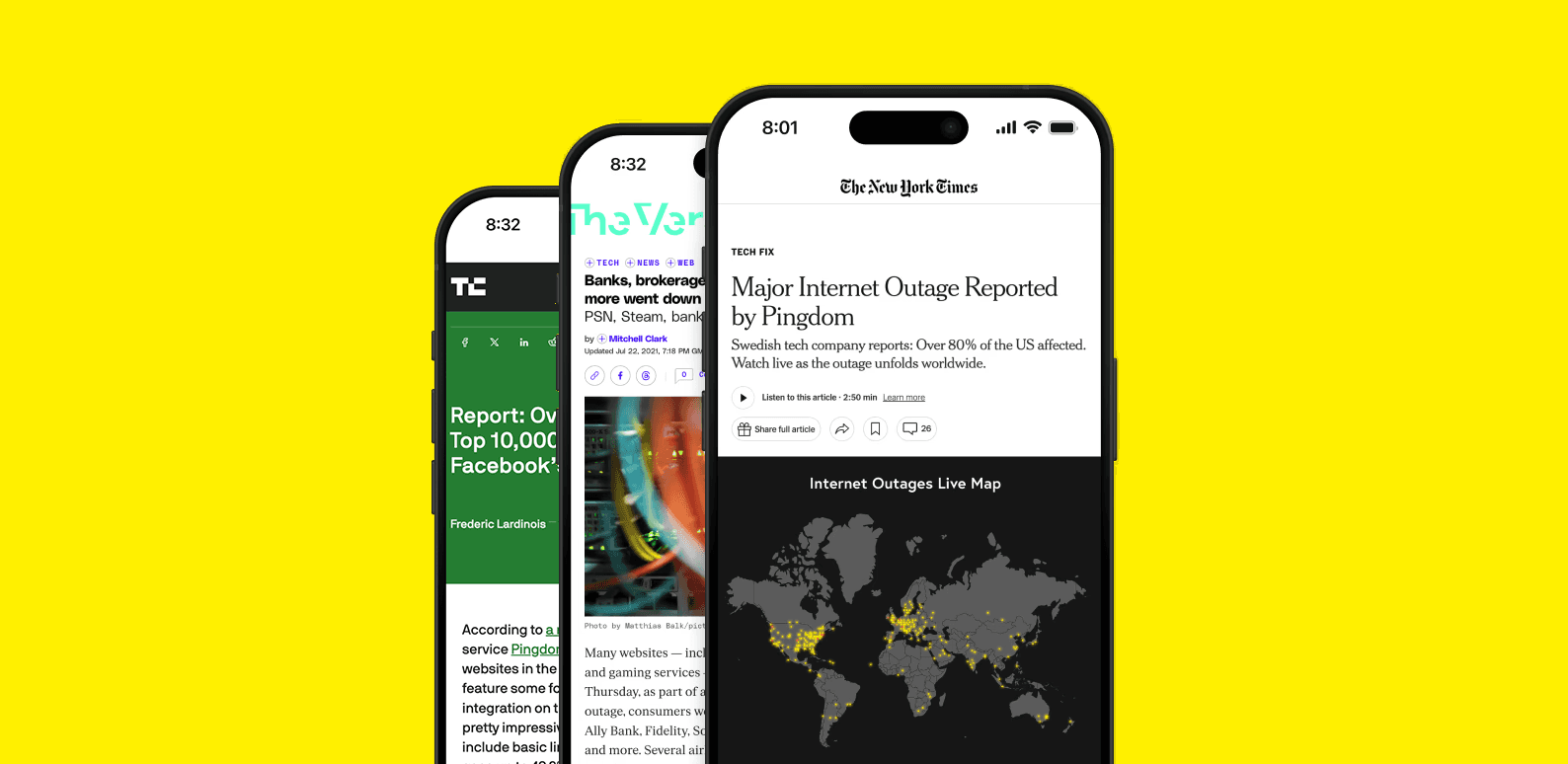
They wake up thinking, “I have a deadline at 3 pm and I’m already behind.” So we did the work for them. We pulled the data. We ranked things. We found patterns. We packaged it with screenshots and references, until they they were primed to just publish.
I even created a public 'live map' page that makes internet and outage data naturally interesting for news stories. Plus, the backlinks you get from this are a great bonus.
That’s the move: don’t pitch your tool. Pitch the story your tool uncovers.
The system: Build a “Quote Engine”
If you want to get quoted regularly, you need a repeatable system. Not vibes. Not hope. A small machine that runs every week.
Here’s the one I use.
1. Pick your lanes (and stay in them)
Choose 3–5 topics where you’re genuinely helpful.
Don’t just pick something broad like 'marketing.' Instead, choose topics that are more specific, such as:
B2B onboarding mistakes
Website performance and conversion.
Pricing psychology for tech.
Remote team comms during incidents.
How AI ruins recruiting talent.
You know your stuff better than anyone. Write these down. This is your filter for what you say yes to and what you ignore.
2. Build a tiny “data drawer”
You don’t need a 40-page report. You need ready-to-quote assets:
5–10 punchy data points (with sources)
2–3 simple charts
3 screenshots that illustrate a trend
5 short “lines that land” (quotes you’d be happy to see published)
Update your data every few months. Reporters love fresh stats, but they love organized info even more.
3. Plug into journalist request streams
Yes, HARO-style services still matter. Just don’t bet your whole strategy on one platform.
HARO rebranded as Connectively, which was discontinued on December 9, 2024. Cision later sold HARO to Featured.com, and HARO was relaunched (with emails returning).
Also worth testing:
Source of Sources (SOS), founded by HARO’s founder.
Help a B2B Writer – MentionMatch (strong for B2B quotes).
Featured is a solid way for experts to get seen.
Pick one or two to start. You can always add more later.
4. Respond like a human who respects deadlines
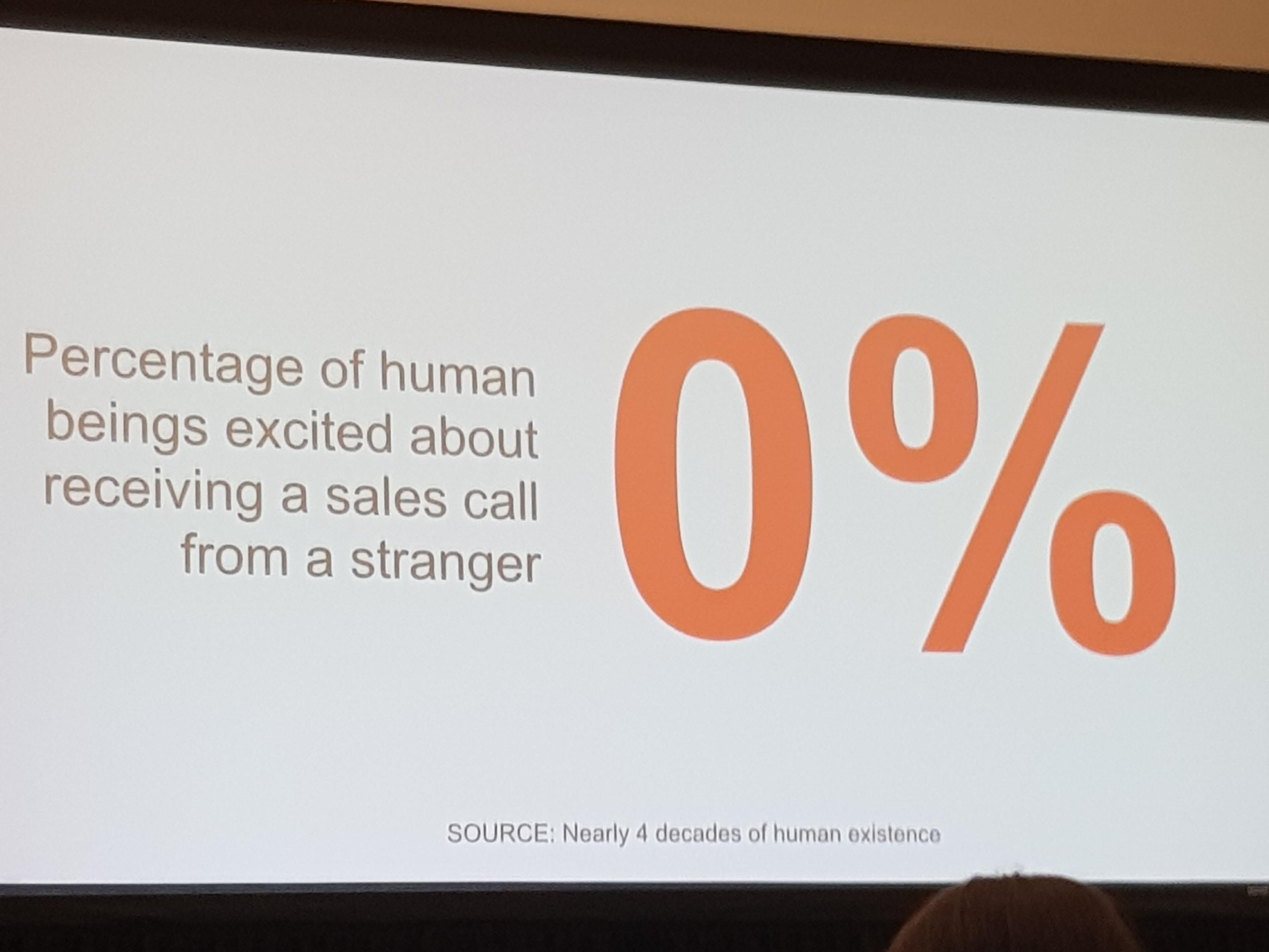
Most pitches flop because they’re too long, too generic, or too late. You need to be quick on the draw.
A good response looks like this:
One-line answer up top (the quote they can paste)
2–3 bullets with supporting detail
A tiny credibility line (who you are, why you know)
One link: your bio or homepage
Don’t send essays or attachments unless they ask. And please, skip the 'Happy to jump on a call!' – nobody, and I mean nobody, wants that.
5. Track, follow up, and compound
Keep a simple log:
Query topic
Outlet/writer
Deadline
What you sent
Result (quoted/not quoted)
When you get quoted, don’t just share it once and move on. Turn it into:
A short “what I learned” post
A section on your website that highlights where you’ve been featured, like 'As seen in...'
An updated data drawer with that angle strengthened.
This is how your efforts stack up over time. It’s also how you avoid the endless grind of content nobody reads.
If you’re exhausted, this is your way out
TL;DR: you don’t need to publish more. You need to be more quotable.
Build the data drawer. Join the request streams. Spend 20 minutes a day responding to the right asks.
You’ll create less content, get more credibility, and, unsurprisingly, you’ll start seeing your name show up in places your own blog could never reach.
And yes, it feels like cheating ✌️



Previous
Next